
About Us
ABOUT
UNITED NATIONS
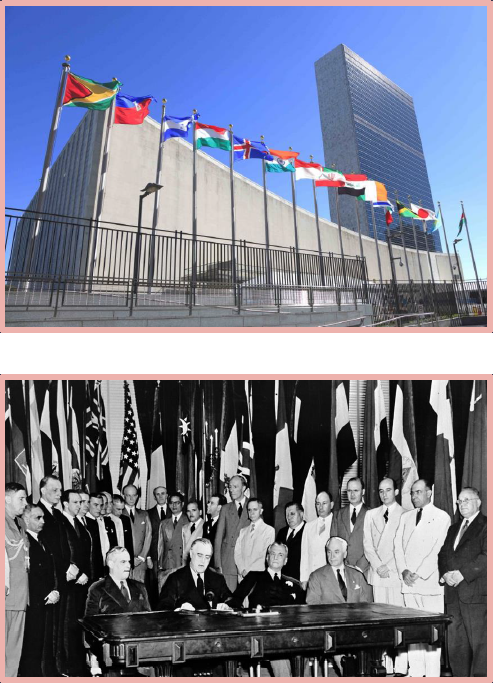
The United Nations (UN) is an intergovernmental organization to promote international co-operation. A replacement for the ineffective League of Nations, the organization was established on 24 October 1945 after World War II in order to prevent another such conflict. At its founding, the UN had 51 member states; there are now 193. The headquarters of the UN is in Manhattan, New York City, and experiences extraterritoriality. Further main offices are situated in Geneva, Nairobi, and Vienna. The organization is financed by assessed and voluntary contributions from its member states. Its objectives include maintaining international peace and security, promoting human rights, fostering social and economic development, protecting the environment, and providing humanitarian aid in cases of famine, natural disaster, and armed conflict.
ABOUT
UNITED
NATIONS
The UN Charter was drafted at a conference between April–June 1945 in San Francisco, and was signed on 26 June 1945 at the conclusion of the conference; this charter took effect 24 October 1945, and the UN began operation. The UN’s mission to preserve world peace was complicated in its early decades by the Cold War between the US and Soviet Union and their respective allies. The organization participated in major actions in Korea and the Congo, as well as approving the creation of the state of Israel in 1947. The organization’s membership grew significantly following widespread decolonization in the 1960s, and by the 1970s its budget for economic and social development program far outstripped its spending on peacekeeping. After the end of the Cold War, the UN took on major military and peacekeeping missions across the world with varying degrees of success.
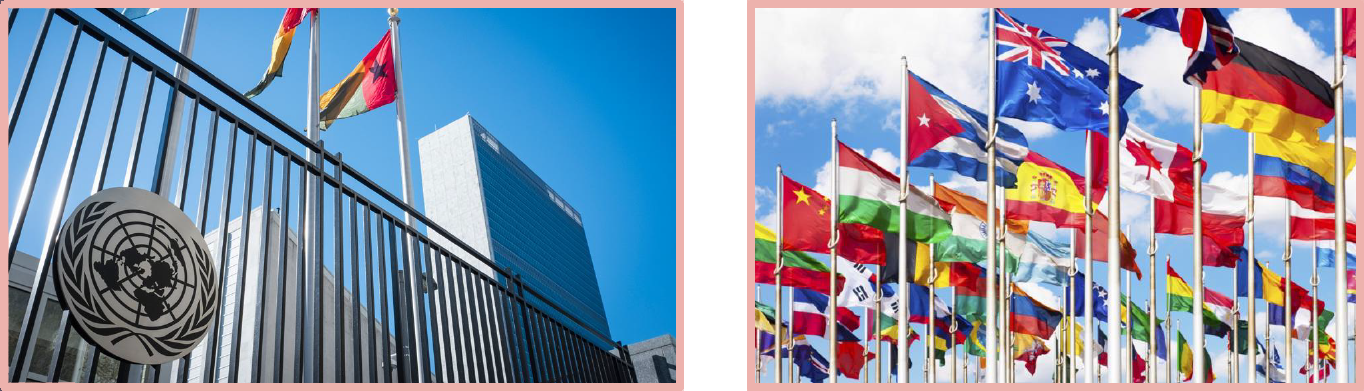
The UN has six principal organs: the General Assembly (the main deliberative assembly); the Security Council (for deciding certain resolutions for peace and security); the Economic and Social Council (ECOSOC; for promoting international economic and social co-operation and development); the Secretariat (for providing studies, information, and facilities needed by the UN); the International Court of Justice (the primary judicial organ); and the UN Trusteeship Council (inactive since 1994). UN System agencies include the World Bank Group, the World Health Organization, the World Food Program , UNESCO, and UNICEF. The UN’s most prominent officer is the Secretary-General, an office held by Portuguese António Guterres since 2017. Non-governmental organizations may be granted consultative status with ECOSOC and other agencies to participate in the UN’s work.
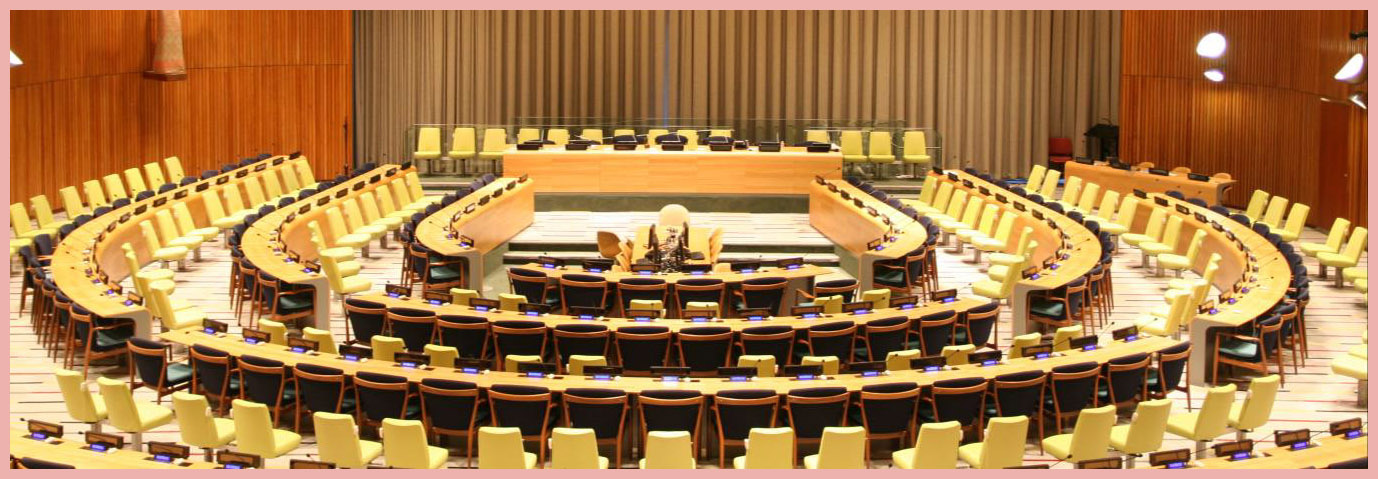
The organization won the Nobel Peace Prize in 2001, and a number of its officers and agencies have also been awarded the prize. Other evaluations of the UN’s effectiveness have been mixed. Some commentators believe the organization to be an important force for peace and human development, while others have called the organization ineffective, corrupt, or biased.

ABOUT
JUSTICE OF
THE PEACE
A justice of the peace (JP) is a judicial officer, of a lower court, elected or appointed by means of a commission (letters patent) to keep the peace.
In past centuries the term commissioner of the peace was often used with the same meaning.
Depending on the jurisdiction, such justices dispense summary justice or merely deal with local
administrative applications in common law jurisdictions.
Justices of the peace are appointed or elected from the citizens of the jurisdiction in which they serve, and are (or were) usually not required to have any formal legal education in order to qualify for the office. Some jurisdictions have varying forms of training for JPs.
ABOUT US IJPC
The International Justice Of The Peace Club (IJPC) is an Non Governmental Organization (NGO). IJPC hosts regular social gatherings where all the people can meet & socialize. IJPC events will allow you to broaden your horizons and to meet interesting people from all around the world.
OUR MISSION
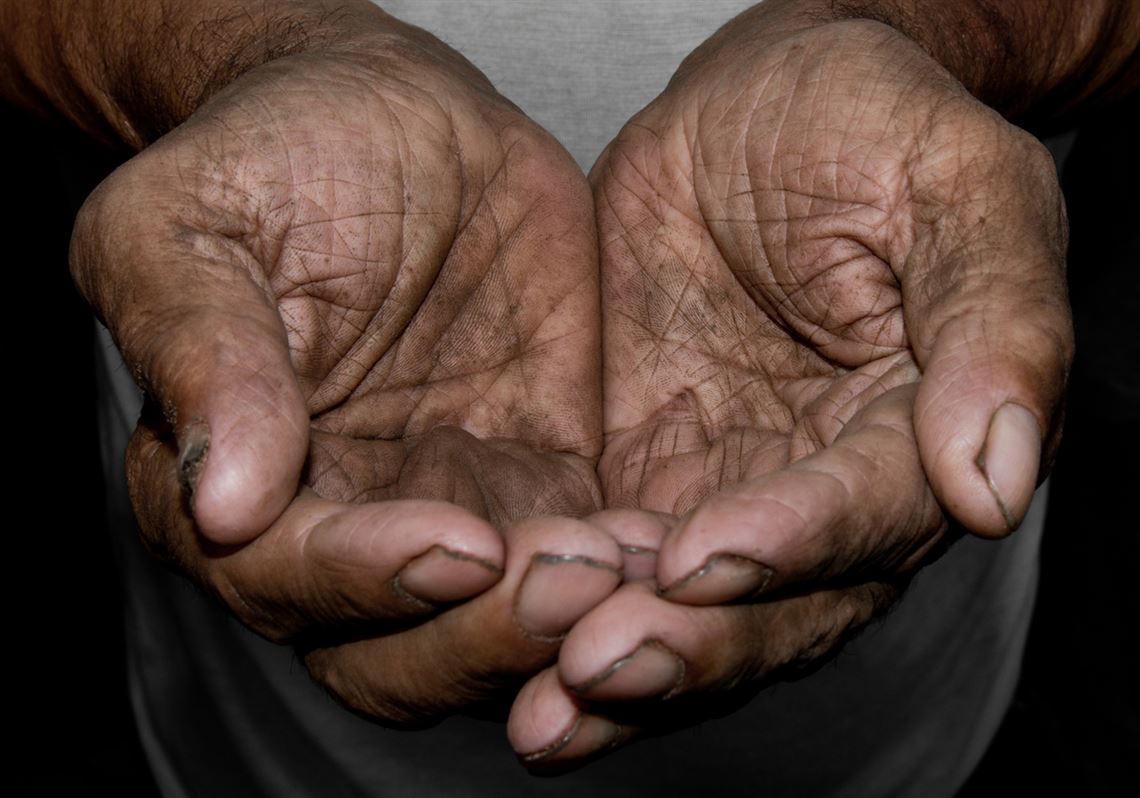
Gather all the JPs from all around the world with sincerity to offer their hands to the society.
OUR VISION
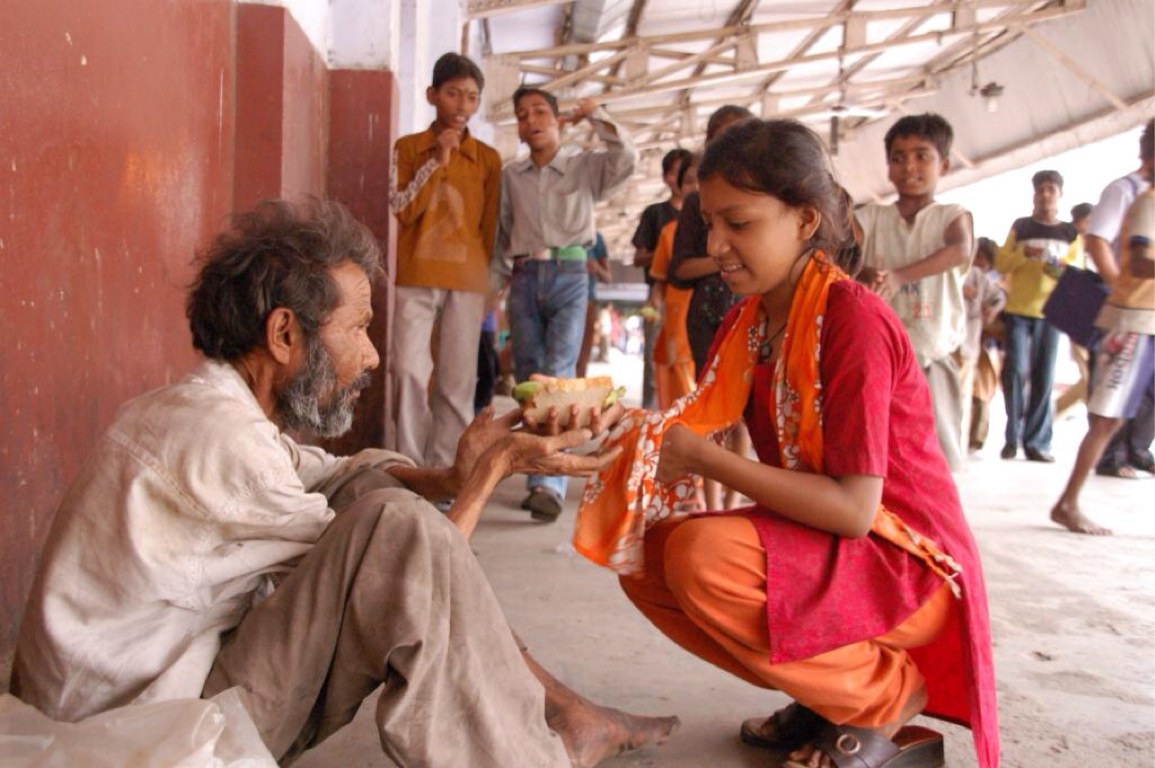
Rescue and Protect the weak and the poor,
Prove that justice for the poor is possible.
Make this world more harmonious & peaceful.
IJPC Emblem
The emblem of the IJPC is a symbols for the IJPC’s work on the world stage. They have the practical effect of identifying the IJPC in the areas of trouble and conflict to any and all parties concerned. It is also an aspirational symbols, speaking to the hopes and dreams of people all over the world, for justice, peace and unity.
CORE VALUE
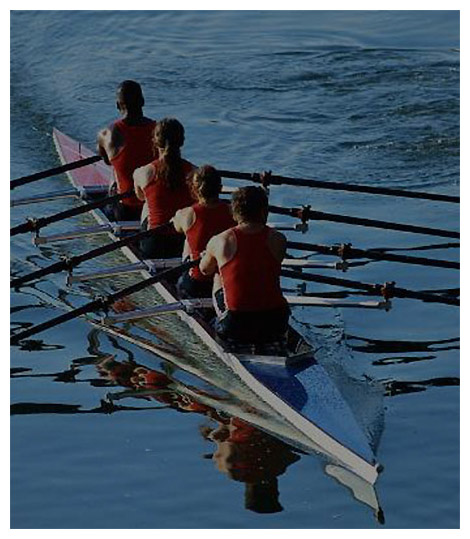
We hope that competencies will provide us with a shared language for talking, in concrete terms, about high performance and managerial excellence. We believe that a shared view of the standards we are striving to achieve will assist us in our continuing efforts to prepare the Organization to meet the challenges of the 21st century.
INTEGRITY, PROFESSIONALISM,
RESPECT FOR DIVERSITY,
JUSTICE & PEACE
STRENGTHS
The uniqueness of our team is we consist of professionals that are skillful, responsible and experienced. Our young talented staff have great potentials and abilities .
With all these, we would be able to drive the club to the highest level. Furthermore we’ll inspire more talented or experienced people to join us in order to achieve our objectives.
Corporate Social Responsibility (CSR)
● Philanthropy: By donating to national and local charities. We have a lot of resources that can benefit charities and local community programs.
● Volunteering: Attending volunteer events says a lot about sincerity. By doing good deeds without expecting anything in return, we are able to express our concern for specific issues and support for certain organizations.
THE UNIQUE OF J. RIBBON
Popularize the Spirit of Justice & Peace on an International Level
Our Main Goal & Objective for CSR

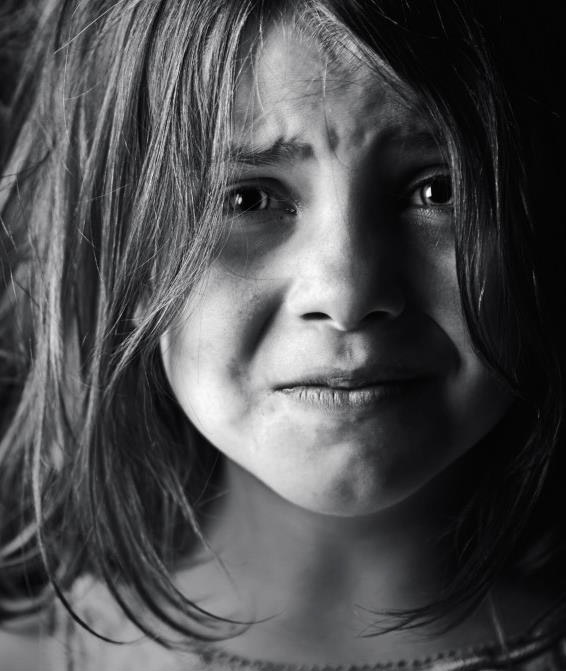
● Organizing an Anti Child Abuse Awareness Campaign
● Organizing a Care for Spastic Awareness Campaign
